Announcement · September 2026
Breaking physical bottlenecks in the era of Super Intelligence
COMPASS is building companies on technology from the national laboratories. Our first cohort is taking on the physical limits that will decide how far Super Intelligence can scale, from the chips it runs on to the power it needs, on Earth and in orbit.
Our thesis
Demand for Super Intelligence computing and space infrastructure is growing faster than the hardware and supply chains behind it. Advanced chipmaking is out of reach for all but a few companies, power limits how much Super Intelligence can run and where, space solar is in short supply, and wiring limits how large quantum computers and other cryogenic systems can grow.
Where we play in the value chain
Bottlenecks in orange.
- Lower-cost chip patterning
Cost of advanced patterning
Data-center photonics
- Lower-power inference chip
Energy spent moving data
Data-center inference
- On-device Super Intelligence architecture
Energy per inference
Robots, drones, and sensors
- Space-solar manufacturing
Space-solar production capacity
Space-grade solar
- Cryogenic data links
Wiring and heat
Quantum and cryogenic systems
- Lower-cost chip patterning
Cost of advanced patterning
Manufacturing tools · First market: Data-center photonics
- Lower-power inference chip
Energy spent moving data
Compute architecture · First market: Data-center inference
- On-device Super Intelligence architecture
Energy per inference
Compute architecture · First market: Robots, drones, and sensors
- Space-solar manufacturing
Space-solar production capacity
Materials manufacturing · First market: Space-grade solar
- Cryogenic data links
Wiring and heat
Connections · First market: Quantum and cryogenic systems
Our first cohort
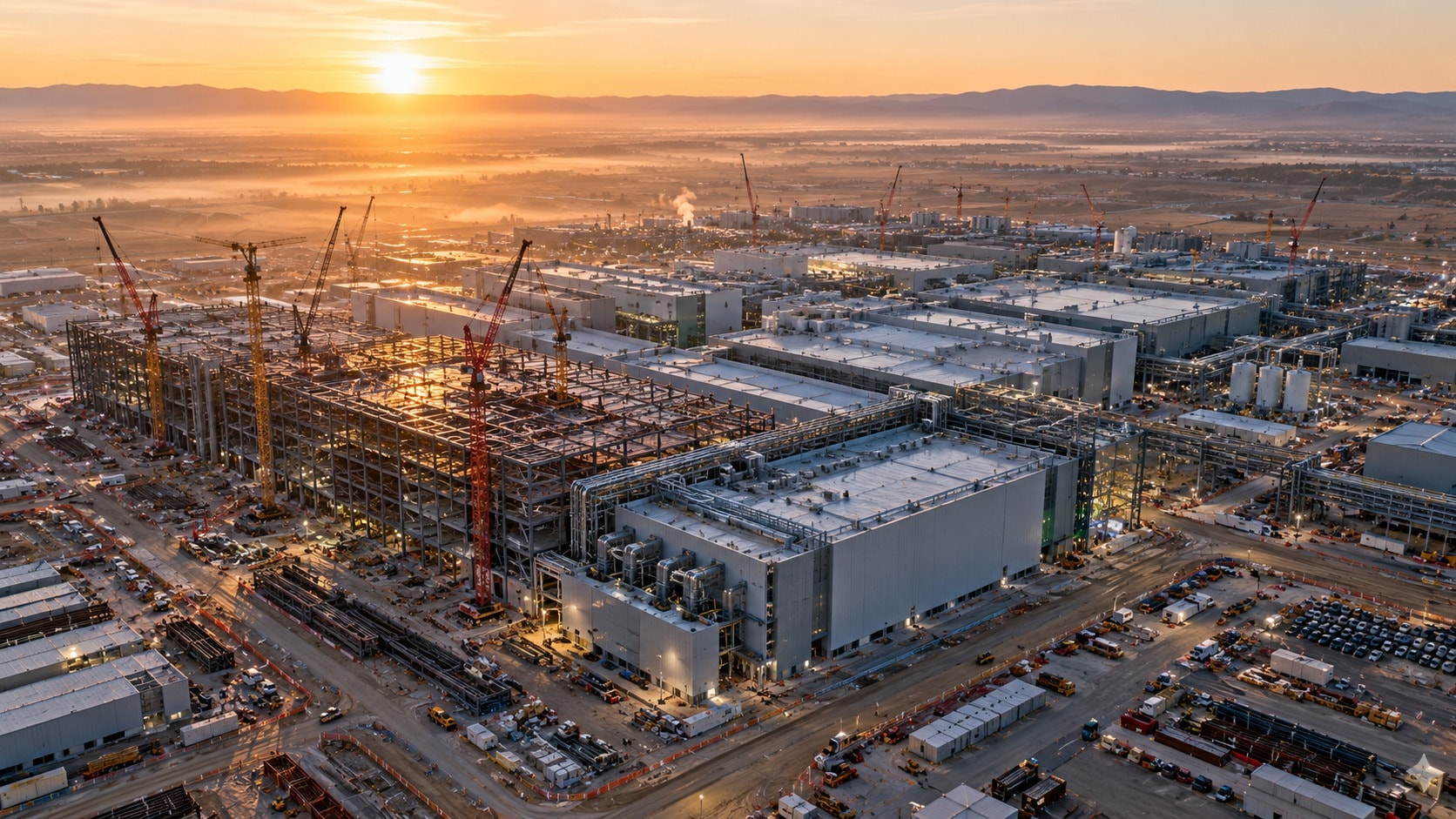
Bringing advanced chipmaking to everyone
Lower-cost advanced patterning
Lithography is the most expensive step in making a chip, and chipmakers spend more than $20 billion a year on lithography equipment. Only a handful of companies can afford to manufacture at the frontier.
This venture is building a patterning tool that reaches advanced feature sizes on far simpler, less expensive equipment, and the approach has been demonstrated in hardware. The company enters through data-center photonics, where the computing behind Super Intelligence is driving demand, and builds toward leading-edge logic and memory, putting advanced manufacturing within reach of many more chipmakers.
Looking for photonics manufacturers and semiconductor-equipment operators.
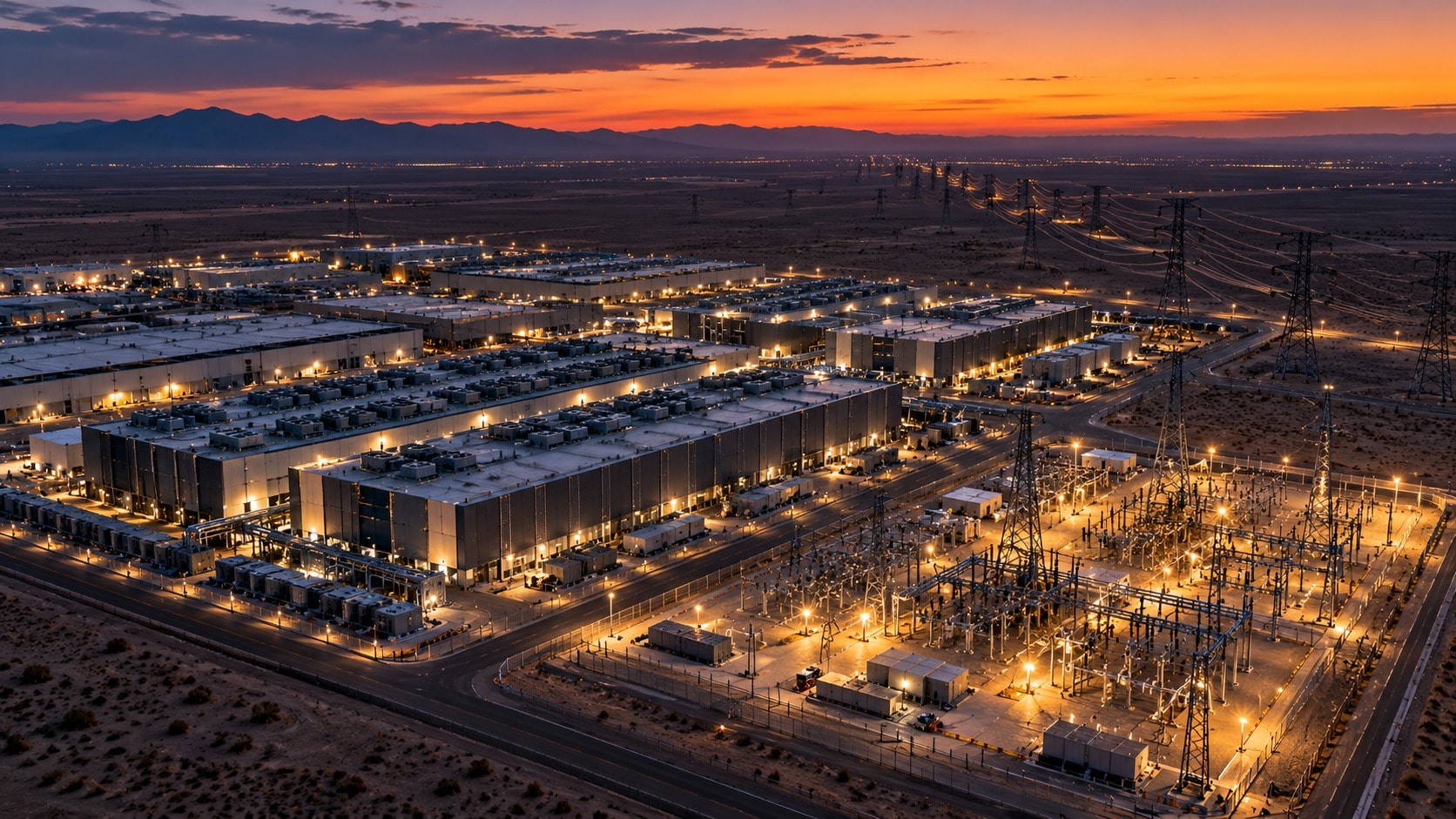
Scaling high‑performance inference
Lower-power data-center inference
Inference is on track to become the largest computing workload behind Super Intelligence, and power is now the limit on how fast data centers can add capacity for it. Much of a chip’s energy goes to moving model data rather than computing with it.
This venture is building an inference chip that spends far less energy moving data and is designed for high-volume manufacturing. Its first chips already match the accuracy of conventional digital hardware, and the next generation is designed to run a full frontier model on a single module. It sells first to the largest inference buyers.
Looking for chip manufacturing partners, inference buyers, and accelerator go-to-market leaders.

Integrating leading‑edge inference into everything
Low-power on-device Super Intelligence
Super Intelligence is moving out of the data center and into robots, drones, wearables, vehicles, and sensors. Today’s chips use too much energy to run capable models on these devices, so they settle for small models or depend on the cloud.
This venture is building a new computing architecture designed to run machine-learning models at a fraction of the energy of conventional chips. Device makers will license it and build it into their own chips, so capable models can run on the device itself.

Powering the space economy
Space-grade solar at volume
Thousands of satellites now launch every year, and defense and in-space infrastructure programs are adding more. All of them run on solar power, and the high-performance cells the most demanding missions need are in short supply.
This venture is building a domestic manufacturer of space-grade solar cells around a much faster production process. The process runs on production-scale equipment and has produced independently certified cells comparable to space-qualified product. Space is the first market, and the same process can make other high-performance semiconductors that have been too expensive to produce in volume.
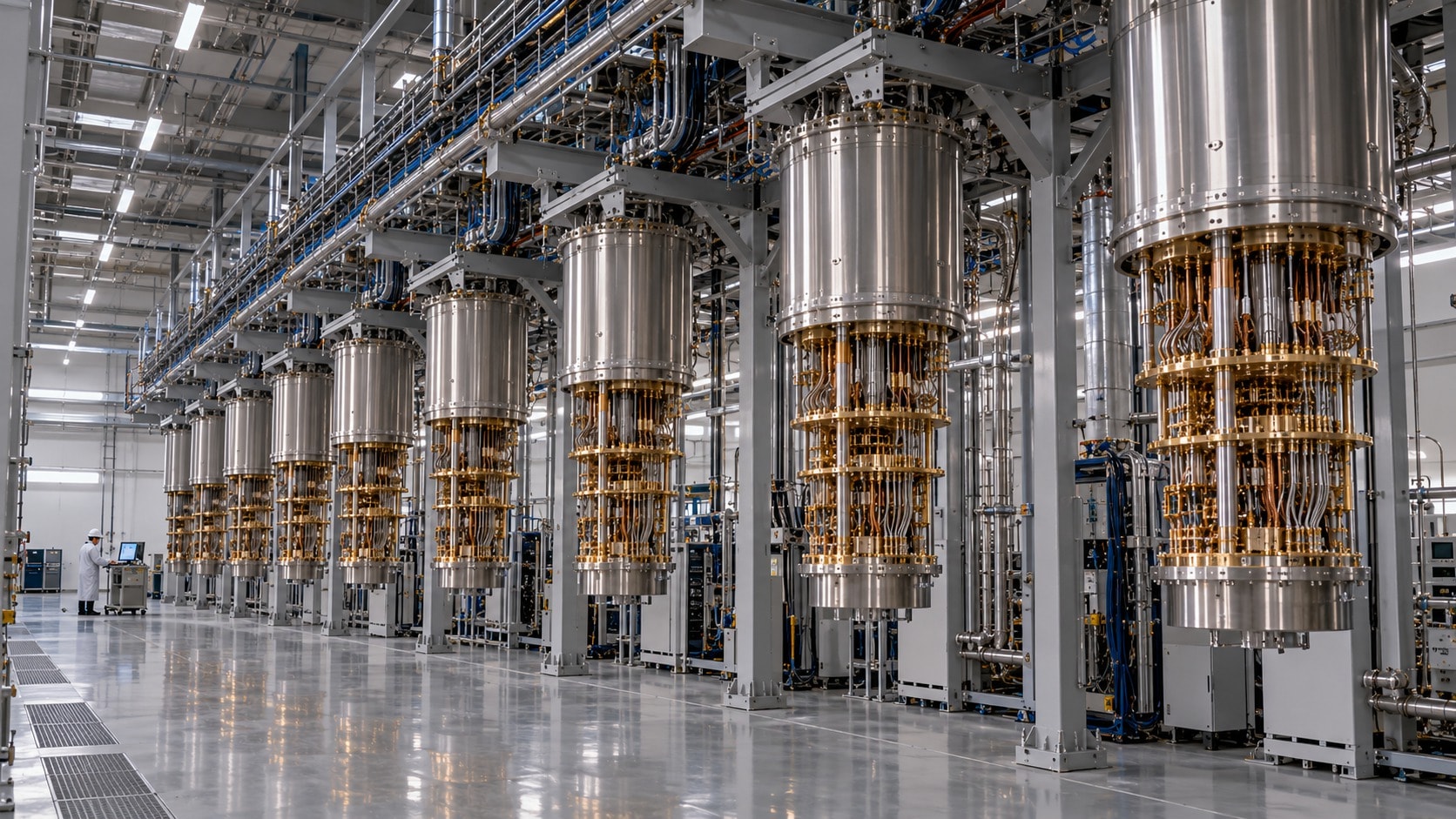
Delivering reliable, end‑to‑end data networks for cryogenic systems
Cryogenic data links
Quantum computers, cryogenic sensors, and large detector arrays all run at temperatures near absolute zero, and every signal in or out travels over wiring from room temperature to the cold stage. Each line brings heat and takes up space. Useful quantum computers will need hundreds of thousands to millions of qubits, and that wiring already limits how large these systems can grow.
This venture is building data links that carry those signals with far less heat and space, and early devices are already more energy efficient than the best components available today. The company will sell complete modules, from the cold stage to room-temperature electronics, to quantum and cryogenic system builders across the industry.
How COMPASS is building these companies
COMPASS is led by the technology transfer offices of participating national laboratories, giving the program direct access to the research teams, technologies, and commercialization pathways behind each opportunity. That allows the venture-building process to start early and bring together the elements a company built on national-lab science needs, including licensing, lab collaboration, and pathways to non-dilutive federal funding.
Selection combines technical and commercial diligence with external market input. More than 40 venture firms reviewed the 30 opportunities from across the national laboratories and met directly with research teams at Waypoints, COMPASS's investor summit at SLAC in July. That feedback helped shape the five opportunities selected for the cohort and will continue to inform the work ahead as COMPASS pressure-tests customer demand, product definition, key risks, and the path from laboratory technology to a fundable company.
Build with us
We are looking for founders who have built or run companies in these industries, and for advisors with reach into these markets.